Admin
Admin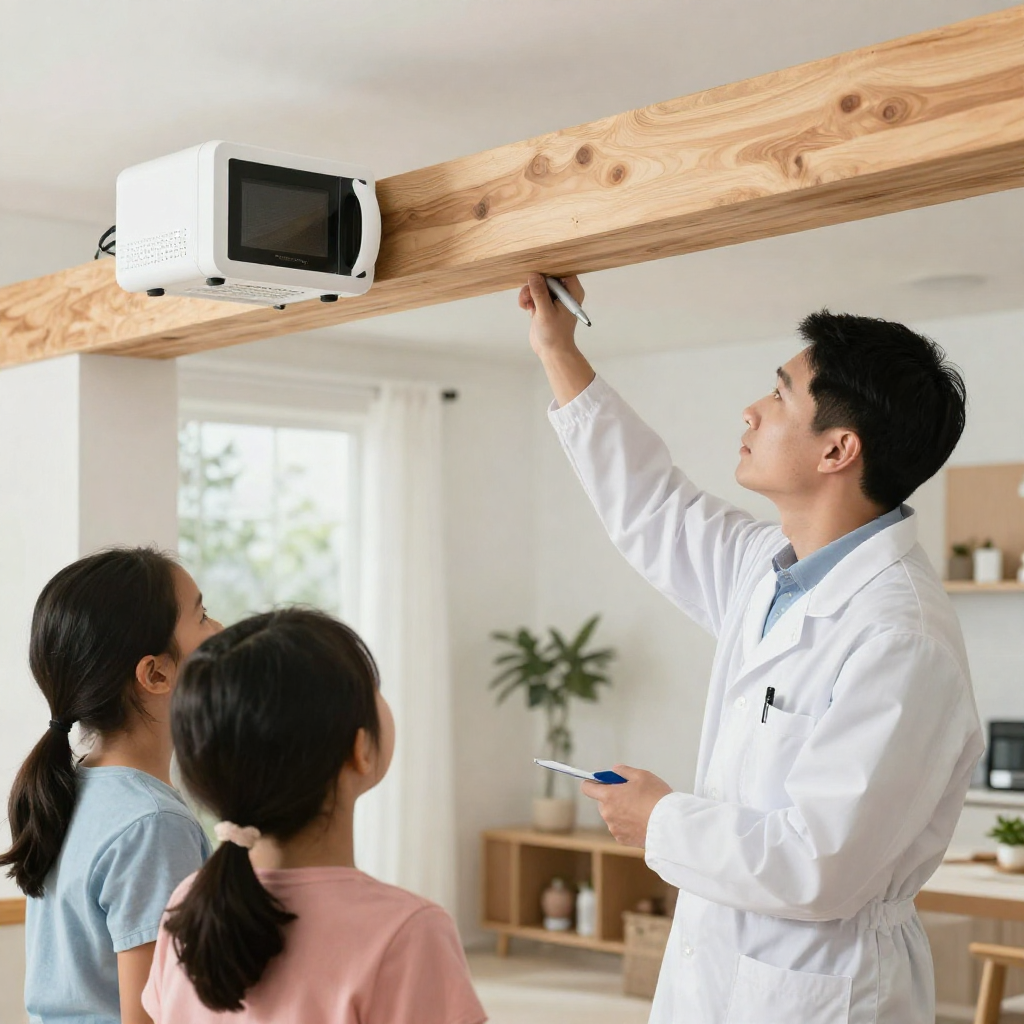
Structural timber forms the backbone of many residential, commercial, and historic buildings. From roof trusses and floor joists to wall framing and load-bearing beams, these wooden components provide the strength and stability needed to support an entire structure. When properly maintained, quality structural timber can last for generations. However, exposure to moisture, fungal decay, weather, and wood-damaging insects can gradually weaken timber if preventive measures are neglected.
Treating structural timber is not simply about applying a preservative. Effective protection requires a combination of moisture management, regular inspections, suitable preservation methods, and prompt action when problems are detected. If an active wood-boring insect infestation is discovered, professional treatment methods—including modern chemical-free technologies such as microwave woodworm treatment—may also play an important role.
In this guide, we’ll explore the best practices for treating structural timber and keeping wooden buildings strong, safe, and durable for decades.
Why Structural Timber Requires Protection
Structural timber supports significant loads every day.
It is commonly found in:
- Roof trusses
- Roof beams
- Floor joists
- Wall framing
- Ceiling beams
- Support posts
- Timber-frame construction
Although timber is naturally durable, long-term exposure to moisture and environmental conditions can affect its performance over time.
Understand the Main Threats
The first step in protecting structural timber is understanding what causes deterioration.
Common threats include:
- Roof leaks
- Plumbing leaks
- Poor drainage
- Condensation
- High humidity
- Fungal decay
- Woodworm (wood-boring beetles)
- Termites (in some regions)
Early identification allows problems to be addressed before major structural damage develops.
Start With a Professional Inspection
Before any treatment begins, the timber should be carefully inspected.
A qualified timber preservation specialist can assess:
- Moisture levels
- Structural condition
- Signs of insect activity
- Fungal decay
- Ventilation
- Previous repairs
A professional inspection helps ensure that the correct treatment is selected.
Keep Timber Dry
Moisture control is the most important aspect of timber preservation.
Protect structural wood by:
- Repairing roof leaks immediately.
- Fixing plumbing leaks promptly.
- Maintaining gutters and downpipes.
- Improving site drainage.
- Preventing standing water.
- Monitoring indoor humidity.
Dry timber generally provides less favorable conditions for fungal decay and many wood-boring insects.
Improve Ventilation
Proper airflow helps reduce condensation and moisture accumulation.
Pay particular attention to:
- Roof spaces
- Attics
- Crawl spaces
- Basements
- Utility rooms
Good ventilation supports healthy timber throughout the building.
Use Suitable Wood Preservatives
Where appropriate, approved wood preservatives can provide additional protection against environmental deterioration and biological threats.
Depending on the project, suitable preservation methods may include:
- Pressure-treated timber
- Surface-applied wood preservatives
- Protective sealants
- Exterior stains
- Wood oils
Always choose products suitable for the timber type and intended environment, and follow the manufacturer’s application guidelines.
Inspect Timber Regularly
Routine inspections help identify problems before extensive damage occurs.
Check for:
- Water stains
- Soft timber
- Deep cracks
- Surface deterioration
- Small round exit holes
- Fine wood dust (frass)
Inspect structural timber at least once each year and after major storms or water leaks.
Repair Damage Promptly
Small problems are easier and less expensive to correct than major structural repairs.
Address promptly:
- Roof leaks
- Damaged flashing
- Blocked gutters
- Cracked protective finishes
- Localized moisture damage
Early repairs help preserve the structural integrity of the building.
Watch for Signs of Woodworm
Woodworm may remain hidden inside timber for several years.
Possible warning signs include:
- Small round exit holes
- Fine powdery wood dust
- Weak or crumbly timber
- Adult beetles during spring or summer
Professional assessment is recommended to determine whether an infestation is active.
Modern Woodworm Treatment Options
If an active infestation is confirmed, treatment depends on:
- Beetle species
- Severity of infestation
- Structural condition
- Accessibility
Professional options include approved chemical treatments and modern heat-based technologies.
Microwave Woodworm Treatment
One increasingly popular chemical-free option is microwave woodworm treatment.
Professional microwave equipment generates controlled heat inside timber using dielectric heating, raising the internal temperature to levels that eliminate:
- Woodworm larvae
- Beetle eggs
- Pupae
- Adult wood-boring beetles
Benefits
- Chemical-free
- No pesticide residues
- Localized treatment
- Environmentally responsible
- Suitable for many heritage buildings
- Helps preserve original structural timber
A qualified timber preservation specialist can determine whether this treatment is appropriate based on the condition of the timber and the extent of the infestation.
Integrated Pest Management (IPM)
Many professionals recommend Integrated Pest Management (IPM) for long-term timber protection.
IPM combines:
- Routine inspections
- Moisture management
- Accurate pest identification
- Preventive maintenance
- Physical exclusion
- Targeted treatment only when necessary
This approach reduces unnecessary pesticide use while promoting long-term building health.
Structural Timber Maintenance Checklist
To maintain structural timber:
- Inspect roof spaces annually.
- Repair leaks immediately.
- Keep gutters clean.
- Improve ventilation.
- Monitor humidity.
- Maintain protective finishes.
- Watch for signs of woodworm.
- Schedule professional inspections.
Consistent maintenance significantly extends the service life of timber.
Preventive Maintenance vs. Delayed Repairs
| Preventive Maintenance | Delayed Repairs |
|---|---|
| Lower maintenance costs | More expensive structural repairs |
| Better moisture control | Increased risk of fungal decay |
| Early pest detection | Hidden infestations may worsen |
| Longer timber lifespan | Reduced structural durability |
| Improved building safety | Greater likelihood of extensive restoration |
Preventive care is usually far more cost-effective than major structural repairs.
Common Mistakes to Avoid
Avoid these common errors:
- Ignoring roof leaks.
- Applying preservatives to damp timber.
- Skipping annual inspections.
- Delaying treatment after signs of woodworm appear.
- Assuming pressure-treated timber requires no maintenance.
Small maintenance tasks can prevent significant future problems.
Common Myths About Structural Timber
Myth 1: Pressure-Treated Timber Never Needs Inspection
Fact: Pressure-treated timber offers improved protection, but regular inspections and maintenance remain essential throughout its service life.
Myth 2: Every Woodworm Hole Means Structural Failure
Fact: Exit holes may indicate a previous infestation rather than an active one. A professional inspection can determine the condition of the timber and whether treatment is necessary.
Myth 3: Structural Timber Lasts Forever Without Maintenance
Fact: Even high-quality timber requires moisture control, inspections, and preventive care to remain strong over the long term.
When Should You Contact a Professional?
Professional advice is recommended if you notice:
- Fresh frass.
- New exit holes.
- Soft structural timber.
- Persistent moisture.
- Roof leaks.
- Fungal decay.
- Sagging beams.
- Significant structural movement.
A qualified timber preservation specialist or structural engineer can inspect the timber, assess its condition, and recommend the most appropriate preservation or treatment plan.Visit online https://www.shashel.eu for more details.
Conclusion
Structural timber is one of the most important components of any wooden building, and protecting it requires a proactive approach. Moisture control, proper ventilation, regular inspections, suitable preservation methods, and prompt repairs all contribute to long-term durability. By identifying problems early and maintaining healthy environmental conditions, homeowners can significantly reduce the risk of structural deterioration.
If woodworm is discovered, professional treatment—whether through approved chemical products or modern chemical-free technologies such as microwave woodworm treatment—can help eliminate active infestations while preserving valuable structural timber. Combined with ongoing maintenance and periodic professional inspections, these best practices help ensure that structural timber remains safe, reliable, and durable for generations.