Admin
AdminWoodworm infestations are a serious concern for homeowners, property managers, and anyone with wooden furniture or timber structures. These tiny wood-boring pests can silently damage furniture, floorboards, roof beams, and structural timber over time. Because woodworms often remain hidden inside wood for years, infestations may go unnoticed until visible damage begins to appear.
Traditional woodworm treatments often involve chemicals, sprays, or replacing damaged timber. However, advancements in pest control technology have introduced safer and more efficient alternatives. One of the most innovative and effective modern solutions is microwave technology.
Microwave woodworm treatment is becoming increasingly popular because it offers a chemical-free, targeted, and environmentally friendly way to eliminate wood-boring larvae hidden deep inside timber. Unlike surface treatments, microwave technology penetrates the wood and destroys pests from within.
In this article, we will explore how microwave technology eliminates woodworms, how it works, its advantages, potential limitations, and why it is becoming a preferred treatment option for many homeowners.
What Are Woodworms?
Before understanding microwave treatment, it is important to know what woodworms actually are.
Despite the name, woodworms are not worms. The term refers to the larvae of wood-boring beetles. Adult beetles lay eggs in cracks, holes, or untreated wooden surfaces. After hatching, the larvae tunnel through the wood, feeding on timber and creating hidden internal damage.
Depending on the species, woodworm larvae can remain inside wood for several years before emerging as adult beetles. During this time, they slowly weaken wooden structures.
Woodworm commonly affects:
- Wooden furniture
- Floorboards
- Roof beams
- Structural timber
- Antique wood items
- Doors and wooden frames
If left untreated, infestations may become severe and expensive to repair.Resources and professional guidance from shashel.eu/ can help property owners understand modern approaches to wood protection and pest prevention.
The Problem with Traditional Woodworm Treatments
Traditional woodworm treatment methods usually involve chemical sprays, insecticides, or replacing damaged timber. While these methods can be effective, they also come with certain disadvantages.
Chemical Exposure
Many treatments rely on pesticides that may produce strong odors or require temporary evacuation.
Some homeowners prefer to avoid chemical exposure, especially around children or pets.
Limited Penetration
Surface sprays may not reach larvae hidden deep inside timber.
This means some pests may survive treatment.
Damage to Delicate Wood
Certain chemical solutions may affect antique furniture or delicate finishes.
Time-Consuming Process
Some traditional methods require repeated applications over time.
These limitations have encouraged the development of newer technologies like microwave treatment.
What Is Microwave Woodworm Treatment?
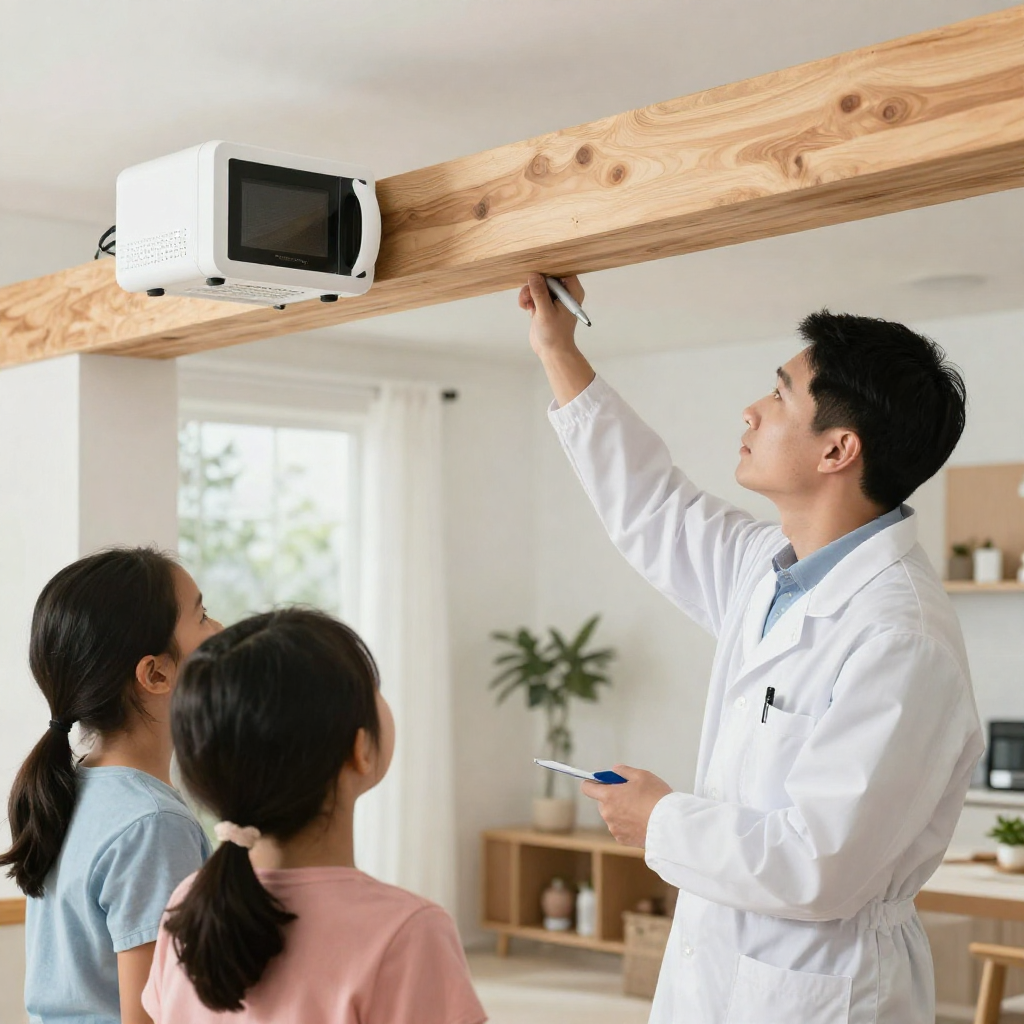
Microwave woodworm treatment is an advanced pest control method that uses microwave energy to kill woodworm larvae hidden inside timber.
This technology works by heating moisture inside the wood to temperatures that larvae cannot survive.
Unlike household microwave ovens, professional microwave systems are specially designed for timber treatment and operate with controlled precision.
The treatment targets the infestation directly while preserving surrounding materials.
Microwave technology is particularly useful because woodworm larvae are highly sensitive to heat.
Once exposed to the required temperature, the pests die quickly.
How Microwave Technology Works
Microwave treatment uses electromagnetic waves to generate heat inside infested timber.
The process works in several stages.
Step 1: Inspection of the Affected Area
Before treatment begins, professionals inspect the wood to identify:
- Infestation severity
- Active woodworm areas
- Timber condition
- Structural risks
This inspection helps determine the best treatment plan.
Step 2: Targeting Infested Timber
Special microwave equipment is directed toward affected areas.
Unlike chemical sprays that sit on the surface, microwave energy penetrates deeply into the timber.
This allows treatment to reach hidden larvae inside the wood.
Step 3: Controlled Heating Process
Microwave waves heat moisture molecules inside the wood.
As temperatures rise, larvae, eggs, and adult beetles cannot survive.
The heat effectively destroys pests hidden beneath the surface.
Step 4: Monitoring the Temperature
Professionals carefully monitor temperatures to ensure:
- Larvae are eliminated
- Timber is not damaged
- Treatment remains safe
This controlled approach prevents overheating.
Step 5: Post-Treatment Inspection
After treatment, specialists inspect the timber to confirm successful elimination.
Additional monitoring may be recommended for severe infestations.
Why Heat Kills Woodworms
Woodworm larvae survive best in cool, damp timber.
Microwave treatment disrupts their survival by rapidly increasing internal temperatures.
The heat affects their body structure and biological systems, causing them to die.
Unlike chemicals that may only poison exposed insects, heat destroys larvae regardless of their hiding location.
This makes microwave treatment extremely effective for hidden infestations.
Advantages of Microwave Woodworm Treatment
Microwave technology offers several important benefits compared to traditional treatments.
Chemical-Free Solution
One of the biggest advantages is that microwave treatment requires no chemicals.
This makes it ideal for:
- Homes with children
- Pet owners
- Allergy-sensitive environments
- Eco-conscious homeowners
There are no toxic residues or unpleasant odors.
Deep Penetration into Timber
Woodworm larvae often hide deep inside wooden structures.
Microwave technology penetrates beneath the surface and reaches hidden areas that sprays cannot access.
This improves treatment success.
Fast Results
Microwave treatment works quickly.
In many cases, infestations can be treated in a single session.
This saves time compared to repeated chemical applications.
Safe for Furniture and Historic Buildings
Because the treatment is targeted and controlled, it can often be used safely on:
- Antique furniture
- Historic buildings
- Delicate wooden structures
This makes it valuable for heritage properties.
Environmentally Friendly
Without pesticides or toxic substances, microwave treatment is considered eco-friendly.
It reduces chemical pollution and supports sustainable pest control.
Minimal Disruption
Many treatments can be completed without major disruption to daily life.
Homeowners often appreciate the convenience.
Where Microwave Treatment Works Best
Microwave technology is suitable for many types of woodworm infestations.
Roof Timbers
Roof beams often suffer hidden infestation.
Microwave treatment can target affected timber effectively.
Wooden Flooring
Infested floorboards can be treated without full replacement.
Antique Furniture
Valuable antiques benefit from non-invasive treatment.
Structural Beams
Microwave systems may help preserve important timber structures.
Historic Buildings
Older buildings with delicate woodwork often benefit from chemical-free methods.
Is Microwave Treatment Safe?
Safety is one of the main reasons homeowners choose microwave woodworm treatment.
Professional operators use specialized equipment designed for timber pest control.
The process is carefully monitored to avoid overheating or damaging the structure.
When performed correctly, microwave treatment is considered safe for:
- Humans
- Pets
- Furniture
- Wooden structures
However, professional application is essential.
DIY microwave treatment is not recommended because incorrect equipment or overheating may damage wood.
Does Microwave Treatment Damage Wood?
A common concern is whether microwave treatment harms timber.
In most cases, properly controlled microwave treatment does not damage wood.
Professionals carefully regulate temperature to eliminate pests while preserving structural integrity.
However, very old or fragile timber may require extra care during treatment.
Professional assessment helps minimize risks.
Microwave Treatment vs Chemical Treatment
Homeowners often compare microwave technology with traditional chemical treatment.
Microwave Treatment
Advantages:
- Chemical-free
- Fast results
- Deep penetration
- Eco-friendly
- Minimal odor
Disadvantages:
- Higher upfront cost
- Requires professional equipment
Chemical Treatment
Advantages:
- Lower initial cost
- Widely available
Disadvantages:
- Chemical exposure
- Multiple applications may be needed
- Surface-only reach in some cases
Both methods can be effective, but microwave treatment is often preferred for homeowners seeking non-toxic solutions.
Limitations of Microwave Technology
Although highly effective, microwave treatment has some limitations.
Cost
Microwave treatment may cost more initially than chemical sprays.
However, many homeowners consider it worthwhile because of long-term effectiveness.
Access Issues
Some hidden timber areas may be difficult to reach.
Complex infestations may require additional solutions.
Severe Structural Damage
If timber is already severely weakened, replacement may still be necessary.
Treatment kills pests but cannot reverse existing damage.
Preventing Future Woodworm Infestation
After successful treatment, prevention is important.
Keep Wood Dry
Moist timber attracts woodworms.
Fix leaks and reduce humidity.
Improve Ventilation
Air circulation prevents damp conditions.
Inspect Timber Regularly
Look for holes, dust, or weakened wood.
Apply Preventive Treatments
Protective wood treatments may help reduce future risk.
Early detection prevents major damage.
Conclusion
Microwave technology has transformed the way homeowners and professionals eliminate woodworm infestations. By using controlled heat to destroy larvae hidden deep inside timber, this method offers a powerful, chemical-free alternative to traditional pest control.
Its ability to penetrate wood, eliminate hidden pests, and preserve valuable timber makes microwave treatment especially useful for homes, antique furniture, and historic buildings. While the upfront cost may be higher than conventional treatments, the long-term effectiveness, safety, and eco-friendly nature often make it a worthwhile investment.