Admin
Admin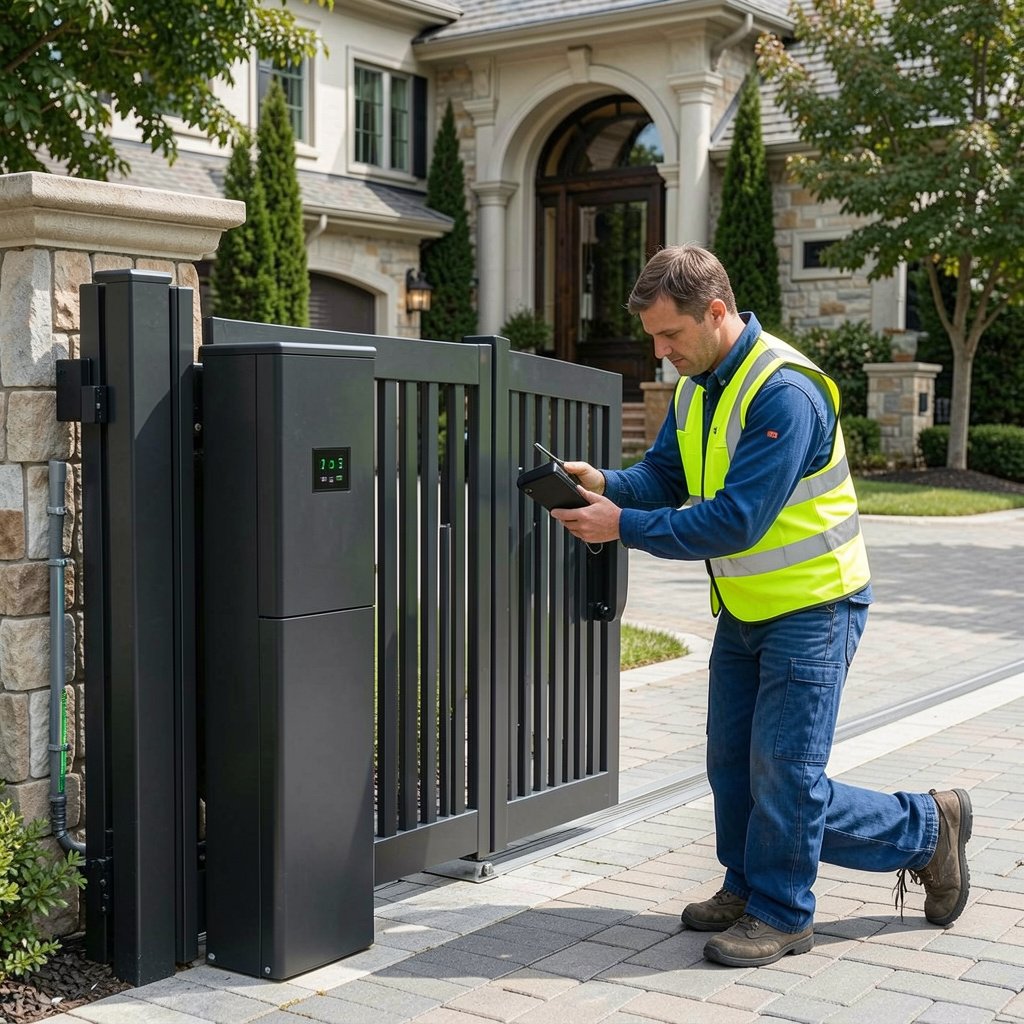
Choosing the right electric gate is an important investment that can enhance your property’s security, convenience, and overall appearance. Whether you’re upgrading your home’s entrance or securing a commercial facility, selecting the best electric gate requires careful consideration of your property’s layout, security needs, budget, and aesthetic preferences.
With a wide variety of gate styles, materials, automation systems, and smart features available, finding the perfect solution can seem overwhelming. This guide will walk you through the key factors to consider when choosing the best electric gate for your property.
Assess Your Property’s Requirements
The first step is understanding what you need from an electric gate. Different properties have different security and operational requirements.
Ask yourself the following questions:
- Is the gate for a home or business?
- How many vehicles enter and exit each day?
- Do you need maximum security or basic access control?
- How much space is available for gate operation?
- Will pedestrians also use the entrance?
Clearly identifying your needs helps narrow down the most suitable gate type and automation system.
Choose the Right Type of Electric Gate
There are several styles of electric gates, each designed for different property layouts.
Swing Gates
Swing gates open inward or outward like traditional doors.
They are ideal for:
- Residential driveways
- Properties with ample entrance space
- Traditional and decorative designs
Advantages:
- Elegant appearance
- Quiet operation
- Lower maintenance
- Excellent for standard-sized driveways
Considerations:
Swing gates require enough clearance for the gate leaves to open fully.
Sliding Gates
Sliding gates move horizontally along a track or cantilever system.
They are best suited for:
- Narrow driveways
- Commercial properties
- Industrial sites
- Sloped entrances
Advantages:
- Excellent security
- Space-efficient
- Suitable for wider openings
- Handles frequent daily use
Bi-Folding Gates
Bi-folding gates fold into sections during operation.
They are commonly installed in:
- Busy commercial entrances
- Office buildings
- Emergency vehicle access points
Their fast opening speed makes them ideal for locations with heavy traffic.
Select the Best Material
The gate material affects durability, maintenance, appearance, and cost.
Steel
Steel gates offer maximum strength and security.
Benefits include:
- High durability
- Strong resistance to forced entry
- Long lifespan
They may require occasional maintenance to prevent corrosion.
Aluminum
Aluminum has become one of the most popular choices for modern electric gates.
Advantages include:
- Lightweight
- Rust-resistant
- Low maintenance
- Ideal for coastal environments
Wrought Iron
Wrought iron gates provide timeless elegance and exceptional strength.
They are highly customizable but generally require periodic repainting to maintain their appearance.
Timber
Wooden electric gates create a warm, natural look that complements traditional homes.
Although attractive, timber requires regular sealing or painting to protect against weather damage.
Consider Your Security Needs
Security should be one of the primary deciding factors.
Residential properties may only require remote-controlled access, while commercial facilities often benefit from advanced access control systems.
Popular security features include:
- Video intercom systems
- Remote access
- RFID cards
- Keypad entry
- Smartphone control
- Fingerprint recognition
- CCTV integration
- Automatic locking mechanisms
For businesses handling sensitive equipment or valuable inventory, combining electric gates with surveillance systems provides enhanced protection.
Evaluate Available Space
The amount of available space determines which gate style will work best.
If your driveway has limited room, a sliding gate is often the most practical option.
Properties with wide, flat driveways usually have the flexibility to install swing gates.
Before installation, measure:
- Driveway width
- Entrance height
- Ground slope
- Available side clearance
- Opening direction
Professional installers can assess your site and recommend the most suitable solution.
Choose the Right Automation System
The gate motor plays a critical role in performance and reliability.
Important considerations include:
Motor Power
Larger and heavier gates require more powerful motors.
Commercial gates with frequent daily use typically need heavy-duty automation systems designed for continuous operation.
Opening Speed
Residential gates generally prioritize quiet operation, while commercial properties often require faster opening and closing speeds to improve traffic flow.
Backup Power
Choose a system with battery backup to ensure operation during power outages.
Some systems can also be connected to solar panels for greater energy efficiency.
Look for Essential Safety Features
Modern electric gates should include multiple safety mechanisms.
Important safety features include:
- Obstacle detection sensors
- Photoelectric safety beams
- Automatic reverse function
- Pressure-sensitive safety edges
- Emergency manual release
- Soft start and soft stop technology
These features help protect pedestrians, vehicles, children, and pets from accidental injury.
Think About Smart Technology
Today’s electric gates can integrate with smart home and business security systems.
Popular smart features include:
- Smartphone apps
- Wi-Fi connectivity
- Cloud monitoring
- Remote opening and closing
- Visitor notifications
- Voice assistant compatibility
- Scheduled opening times
Smart technology offers greater convenience and allows property owners to manage access from virtually anywhere.
Consider Maintenance Requirements
Different gate materials and operating systems require varying levels of maintenance.
Routine maintenance generally includes:
- Cleaning tracks
- Lubricating hinges and rollers
- Inspecting motors
- Testing safety sensors
- Tightening hardware
- Checking electrical connections
Choosing high-quality components reduces maintenance costs over the long term.
Match the Gate to Your Property Style
An electric gate should complement your property’s architecture.
Modern homes often pair well with sleek aluminum or minimalist steel gates.
Traditional homes may benefit from decorative wrought iron or timber designs.
Businesses typically prioritize clean, professional designs that reflect their brand image while maintaining strong security.
Set a Realistic Budget
Electric gate prices vary depending on several factors, including:
- Gate size
- Material
- Automation system
- Smart features
- Installation complexity
- Access control equipment
While it may be tempting to choose the lowest-cost option, investing in quality materials and professional installation usually results in lower maintenance costs and better long-term performance.
Hire a Professional Installer
Proper installation is essential for safety, reliability, and longevity.
Experienced installers can:
- Assess your property
- Recommend the right gate type
- Ensure compliance with local safety regulations
- Properly install motors and control systems
- Test all safety features
Professional installation also helps prevent costly repairs caused by improper alignment or electrical issues.
Why Electric Gates Are a Smart Investment
Installing an electric gate offers benefits that extend beyond security, including:
- Greater privacy
- Convenient access control
- Enhanced curb appeal
- Increased property value
- Better protection for vehicles and assets
- Improved safety for families and employees
- Long-term reliability
Whether you’re securing a residential driveway or a commercial entrance, a well-chosen electric gate provides years of dependable performance.
Conclusion
Choosing the best electric gate for your property involves balancing security, functionality, design, and budget. By considering factors such as gate style, material, automation features, available space, and safety systems, you can select a solution that meets your specific needs while enhancing the appearance and value of your property.